
Female Hormone Imbalance Symptoms You Should Not Ignore
Table of Contents
- 1. Understanding Female Hormone Imbalance
- 2. Common Physical Symptoms Women Often Notice
- 3. Emotional and Cognitive Changes Linked to Hormones
- 4. Sleep Problems and Recovery Issues
- 5. Lifestyle Factors That May Affect Hormone Health
- 6. When Women Should Consider Hormone Evaluation
- 7. Exploring Long Term Hormonal Health Support
- 8. FAQ
- 9. Key Takeaways
- 10. Understanding Hormonal Health More Clearly
- 11. Disclaimer
- 12. References
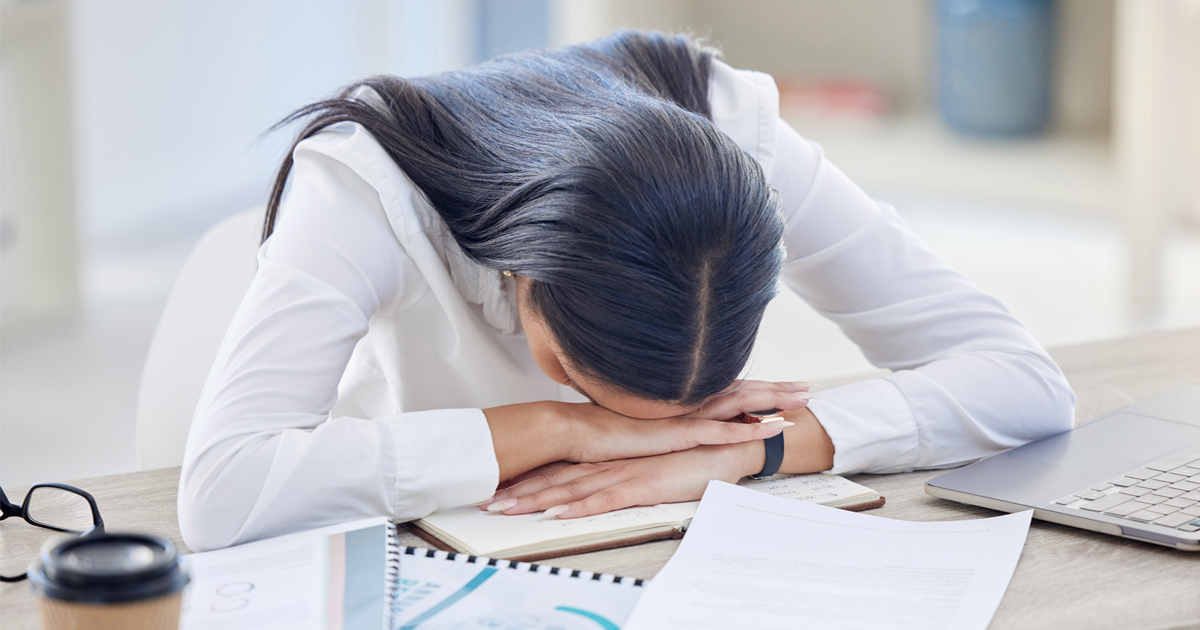
Feeling constantly tired, struggling with sleep problems, or noticing unexpected mood changes can sometimes point to deeper hormonal shifts happening in the body. Many women experience symptoms gradually, which makes them easy to dismiss as stress, aging, poor sleep, or a demanding schedule. However, female hormone imbalance can affect your energy levels, emotional health, metabolism, sleep quality, and overall wellness over time.
You might be wondering whether symptoms like hot flashes, low libido, night sweats, or weight gain are connected to hormone changes during perimenopause or menopause. Here’s what you need to know about the most common warning signs, what may contribute to hormonal changes in women, and when it may be appropriate to consider professional evaluation and support. Some women researching treatment options also want to better understand the differences between bioidentic al and synthetic hormone therapy options before making decisions about their care.
1. Understanding Female Hormone Imbalance
Hormones help regulate many important functions throughout your body, including metabolism, mood, sleep, reproductive health, energy production, and emotional wellness. Estrogen and progesterone are two of the primary hormones involved in women’s hormonal health, although other hormones may also influence balance throughout different stages of life.
As women age, hormone production naturally changes over time. However, some women experience more noticeable symptoms because of stress, poor sleep, medical conditions, lifestyle habits, or perimenopause symptoms that affect hormone regulation.
According to the Cleveland Clinic, hormonal changes can affect multiple systems throughout the body. Symptoms may appear gradually, making them easy to dismiss at first.
One important thing to understand is that symptoms do not always happen all at once. You may first notice low energy, poor sleep, or mood swings before recognizing a larger hormonal pattern. Hormones influence several systems simultaneously, which is why symptoms often affect more than one area of your health at the same time.
For example, low estrogen levels may affect sleep quality, emotional regulation, metabolism, and body temperature control all at once. This is one reason hormonal changes can sometimes feel frustrating or confusing. Some women also assume these symptoms are simply part of aging, which can delay proper evaluation and support.
2. Common Physical Symptoms Women Often Notice
Hormonal changes often develop slowly, which makes them harder to recognize early. Some symptoms may become more noticeable over time as hormone levels continue fluctuating.
Persistent Fatigue and Low Energy
One of the most common complaints connected to hormone imbalance symptoms in women is ongoing fatigue. This type of exhaustion often feels different from normal tiredness after a busy day. Some women feel physically and mentally drained even after getting enough sleep.
Fatigue in women may affect your productivity, exercise routine, motivation, focus, and emotional wellness throughout the day. You may also notice lower stamina during workouts or slower recovery after physical activity.
This works because hormones influence metabolism, sleep quality, recovery, and energy production throughout the body. When hormone levels fluctuate, maintaining consistent energy levels may become more difficult.
Hot Flashes and Night Sweats
Hot flashes and night sweats are among the most recognized symptoms associated with menopause and hormonal changes. Some women experience occasional mild episodes, while others deal with more disruptive temperature fluctuations throughout the day and night.
Night sweats may interrupt your sleep repeatedly, which can eventually affect recovery, concentration, stress levels, and emotional health. Over time, poor sleep may create a cycle where fatigue and hormonal symptoms continue affecting each other.
Weight Changes and Metabolism Shifts
Weight gain during menopause is another concern many women notice during hormonal transitions. Hormonal changes may influence metabolism, appetite regulation, muscle maintenance, and fat distribution over time.
For example, some women find it harder to maintain their usual weight despite continuing healthy eating habits and regular physical activity. Others notice increased cravings, slower recovery after exercise, or changes in body composition that feel difficult to manage.
Low Libido and Physical Wellness Changes
Hormonal fluctuations may also influence libido, physical comfort, and sexual wellness. Some women notice reduced interest in intimacy, while others experience changes connected to emotional wellness, sleep quality, or energy levels.
These symptoms are more common than many women realize, but they are often overlooked because people assume they are simply part of aging rather than connected to hormone regulation.
3. Emotional and Cognitive Changes Linked to Hormones
Hormones may also influence emotional health and cognitive function. Some women report increased irritability, mood swings, anxiety, or difficulty concentrating during periods of hormonal fluctuation.
You might be surprised how often hormone-related emotional symptoms are mistaken for stress or burnout before hormone imbalance is ever considered. Some women describe feeling mentally exhausted, emotionally overwhelmed, or less motivated than usual without fully understanding why.
Brain fog may also affect concentration and productivity throughout the day. You may feel focused during certain hours but mentally drained later in the afternoon even without significant physical activity. This can sometimes affect work performance, daily routines, and emotional confidence.
Mood swings connected to hormonal changes can also influence relationships and social interactions. Some women notice they become more emotionally sensitive or feel overwhelmed more easily than before.
Women who continue experiencing ongoing symptoms sometimes begin exploring treatment options for hormone imbalance in women after lifestyle changes and symptom management strategies no longer provide enough relief.
Another important thing to understand is that emotional symptoms often appear alongside physical symptoms. When fatigue, poor sleep, hot flashes, and mood changes happen together, hormone health may deserve closer attention rather than being dismissed as temporary stress.
4. Sleep Problems and Recovery Issues
Sleep problems in women are sometimes connected to hormonal fluctuations as well. Some women experience disrupted sleep, difficulty falling asleep, or poor overnight recovery despite spending enough time resting.
Poor sleep may also contribute to hormone imbalance because the body relies on healthy sleep cycles for hormone regulation and recovery. This creates a cycle where hormonal symptoms and poor sleep may continue affecting each other over time.
Some women wake up feeling exhausted even after a full night of sleep. Others experience interrupted sleep because of night sweats, body temperature changes, or increased stress during hormonal transitions.
Sleep quality also affects metabolism, emotional regulation, recovery, and stress management. When sleep becomes inconsistent, hormone regulation may become more difficult to maintain over time.
You might notice that poor sleep eventually affects your patience, emotional resilience, focus, and motivation throughout the day. Over time, this can make everyday responsibilities feel more difficult than usual.
According to the Office on Women’s Health, menopause-related hormonal changes commonly affect emotional wellness, sleep quality, and body temperature regulation.
5. Lifestyle Factors That May Affect Hormone Health
Several lifestyle habits and health factors may influence hormone regulation over time. Chronic stress, poor sleep quality, lack of exercise, obesity, excessive alcohol consumption, and poor nutrition may all affect hormonal health.
For example, prolonged stress may increase cortisol production, which can sometimes interfere with other hormone systems throughout the body. High stress levels may also contribute to fatigue, sleep disruption, emotional exhaustion, and reduced recovery.
Another common mistake involves assuming symptoms are simply part of getting older. While hormone levels naturally change with age, persistent symptoms affecting your quality of life still deserve attention.
Lifestyle habits may also influence how severe symptoms become during perimenopause and menopause. Women who experience ongoing stress, inconsistent sleep schedules, or poor nutrition may notice symptoms becoming harder to manage over time.
Healthy habits that may support hormonal wellness include maintaining regular sleep routines, staying physically active, managing stress levels, staying hydrated, and focusing on balanced nutrition. These changes may not completely eliminate symptoms, but they may help support overall wellness and long-term hormonal health.
6. When Women Should Consider Hormone Evaluation
Some women tolerate symptoms for years because they assume hormonal changes are temporary or stress related. However, persistent fatigue, mood changes, sleep disruption, and reduced quality of life should not be ignored if symptoms continue worsening over time.
You might consider hormone evaluation if symptoms persist for several months, interfere with daily routines, reduce focus or motivation, affect emotional wellness, or continue despite lifestyle improvements.
Professional evaluation often includes reviewing symptoms, medical history, sleep patterns, lifestyle habits, and bloodwork results. Hormone testing helps providers evaluate possible hormonal changes more accurately and determine whether symptoms may be connected to menopause, perimenopause, or other hormone-related concerns.
Many women also delay evaluation because symptoms develop gradually rather than suddenly. Over time, however, persistent symptoms may begin affecting work performance, relationships, exercise habits, and emotional wellness more significantly.
7. Exploring Long Term Hormonal Health Support
Understanding hormone health may help you make more informed decisions about symptoms affecting your energy, sleep, mood, metabolism, and overall wellness. While some symptoms may develop gradually, recognizing patterns early may help support better long-term health outcomes and quality of life.
Treatment recommendations vary depending on lab results, symptom severity, age, overall health, lifestyle habits, and long-term wellness goals. Hormonal health is not identical for every person, which is why individualized evaluation and monitoring matter.
Many women also have concerns about treatment safety before considering hormone replacement therapy. Learning more about hormone therapy safety for women may help answer common questions and provide additional educational insight about treatment considerations.
Some women benefit from lifestyle adjustments alone, while others explore medically supervised treatment approaches based on symptom severity and overall health needs. The main difference is that hormone care should always be personalized rather than based on assumptions or generalized advice.
8. FAQ
What are the most common symptoms of hormone imbalance in women?
Common symptoms may include fatigue, mood swings, hot flashes, night sweats, low libido, sleep problems, irregular menstrual cycles, and weight changes. Symptoms vary depending on age, hormonal changes, and overall health. Some women may also experience anxiety, brain fog, emotional sensitivity, or reduced exercise recovery during hormonal transitions.
Can hormone imbalance cause weight gain in women?
Yes, hormonal changes may influence metabolism, appetite regulation, muscle maintenance, and fat storage over time. Many women notice weight gain during menopause even when lifestyle habits remain relatively consistent. Hormonal fluctuations may also affect energy levels and physical activity, which can indirectly influence weight management.
At what age do hormonal changes usually begin?
Perimenopause symptoms often begin during a woman’s 40s, although hormonal changes may occur earlier or later depending on the individual. Menopause is officially diagnosed after 12 consecutive months without a menstrual cycle. However, symptoms may begin years before menopause itself and may gradually become more noticeable over time.
How are hormone imbalances diagnosed?
Healthcare providers typically review symptoms, medical history, sleep quality, lifestyle habits, and menstrual changes before recommending hormone testing. Bloodwork may help evaluate hormone levels and identify possible contributing factors. A complete evaluation helps providers better understand the underlying cause of symptoms rather than focusing on only one issue.
Is hormone therapy the only treatment option for hormone imbalance?
Not always. Some women improve symptoms through lifestyle changes such as stress management, exercise, sleep improvement, and balanced nutrition. Others may explore menopause hormone therapy or medically supervised bioidentical hormone therapy depending on symptom severity, treatment goals, and overall health history.
💡Key Takeaways
- Hormonal changes may affect energy, sleep, mood, metabolism, and emotional wellness
- Symptoms often develop gradually over time
- Hot flashes, fatigue, and sleep disruption are common concerns
- Stress and poor sleep may affect hormone regulation
- Hormonal symptoms may overlap with other health conditions
- Professional evaluation helps identify possible hormone-related concerns
- Lifestyle habits may support long-term hormonal wellness
Understanding Hormonal Health More Clearly
Recognizing possible hormone-related symptoms early may help you better understand changes affecting your energy, sleep, mood, and overall wellness. While not every symptom automatically points to hormonal imbalance, persistent patterns should not be ignored when they begin interfering with your quality of life.
For women seeking personalized care options, Hormone Management Therapy offers hormone evaluation and treatment plans designed to support long-term wellness.
Disclaimer
This article is intended for educational and informational purposes only and should not be interpreted as medical advice, diagnosis, or treatment recommendations. Hormonal symptoms and treatment needs vary from person to person. Always consult a qualified healthcare provider regarding concerns related to hormone health, menopause, or hormone therapy options.