
Can Low Testosterone Make Men Gain Weight?
If you have noticed stubborn weight gain, lower energy, or changes in strength, you may be wondering whether hormones could be part of the reason. Many men ask can low testosterone cause weight gain in men when healthy habits no longer seem to work the same way. That question matters because testosterone plays an important role in muscle mass, metabolism, and body composition. In this guide, you will learn how hormone changes may influence weight, what warning signs to watch for, and when it may be time to seek professional guidance. You may also notice other common warning signs of low testosterone beyond changes on the scale.
Can Low Testosterone Cause Weight Gain in Men?
Yes, it can contribute to weight gain in some men. This usually happens gradually rather than suddenly. Testosterone helps support lean muscle, daily energy, motivation, and how efficiently your body uses calories. When levels decline, it may become easier to gain fat and harder to maintain muscle.
That does not mean hormones are always the only reason. Sleep quality, stress, age, nutrition habits, and reduced activity can also play a role. The key is understanding whether low testosterone is one factor in a larger picture. If you have been doing many of the right things but still feel stuck, it may be worth looking deeper instead of assuming nothing can change.
Weight gain related to hormones is often subtle at first. You may notice your waistline changing, workouts feeling harder, or recovery taking longer than usual. Those small signs can add up over time.
How Low Testosterone Weight Gain Happens
You might be wondering why weight changes happen at all. One major reason is muscle tissue. Muscle naturally burns more calories than fat, even while resting. If testosterone levels fall and muscle mass declines, your metabolism may slow over time.
Some men also become less active because they feel tired more often. That can create a cycle where lower energy leads to fewer workouts, fewer workouts lead to less muscle, and less muscle can make weight gain easier. This works because hormones influence multiple systems at once rather than just one symptom.
According to Cleveland Clinic, low testosterone may be linked with fatigue, reduced strength, and changes in body composition.
Another factor is motivation. When you feel run down, even simple habits like walking after dinner or getting to the gym can feel harder. Over weeks and months, reduced consistency can make a meaningful difference.
Testosterone and Belly Fat Men Commonly Notice
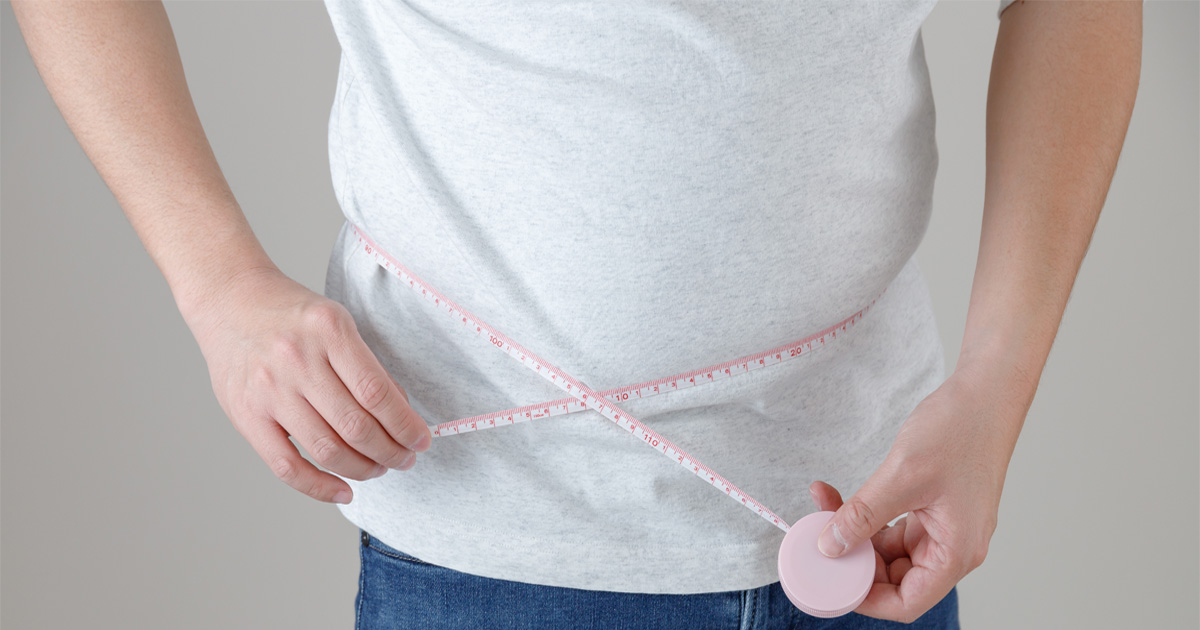
Many men first notice tighter clothing or increased waist size before seeing a dramatic change on the scale. Testosterone and belly fat men concerns often go together because abdominal fat can become more noticeable during hormone shifts.
This can feel frustrating if you are still trying to eat well and stay active. For example, you may keep the same routine that worked in the past, yet progress slows down. That often leads men to assume they are simply aging, when hormones may also be part of the story.
Extra abdominal weight can also affect posture, sleep quality, and confidence. Some men become less likely to exercise because they feel uncomfortable or discouraged. That emotional side is often overlooked, but it matters. When you feel off physically, it can affect motivation mentally too.
The good news is that awareness creates options. Once you understand what may be contributing, you can make more informed decisions instead of guessing.
Low Testosterone Symptoms Men Should Watch For
Weight gain alone does not confirm a hormone issue. It is more helpful to look for a pattern of symptoms happening together.
Common signs may include lower stamina, reduced strength, poor workout recovery, low libido and fatigue, mood changes, brain fog, sleep disruption, and difficulty maintaining muscle.
According to Mayo Clinic, male hypogonadism can affect physical, emotional, and sexual health.
If you are researching next steps, you may also want to understand whether treatment is considered safe and appropriate.
Symptoms can vary from one man to another. Some notice mostly physical changes, while others feel mentally drained or less motivated. Many experience a combination of both. That is why comparing yourself to someone else is rarely helpful.
Other Reasons Men Gain Weight
It is important to stay objective. Not every case of weight gain is hormone related. In many cases, several factors overlap.
Modern life can quietly encourage weight gain. Long hours sitting, higher stress, poor sleep, and convenient high-calorie foods can all contribute. Even healthy men may see changes when routines become more demanding.
Other common causes include insulin resistance, thyroid imbalance, alcohol intake, certain medications, chronic stress, and inconsistent sleep schedules. If your routine changed over the last year, that may be worth reviewing honestly.
This is why guessing can be frustrating. Many men try harder workouts or stricter diets without first understanding what is happening underneath the surface. A smarter path is to look at all possible factors together.
What a Hormone Evaluation for Men May Include
If symptoms persist, a professional evaluation can help identify whether testosterone levels are playing a role. Testing usually looks beyond a single lab number and considers the full picture.
An evaluation may include a symptom review, medical history, total testosterone levels, free testosterone levels, metabolic markers, sleep habits, stress levels, and body composition changes. In some cases, additional labs may be recommended depending on symptoms and age.
The goal is not just to explain weight gain. It is to understand why your body feels different than it used to.
This process can also be reassuring. Some men discover hormones are not the issue, which allows them to focus on nutrition, sleep, or another root cause. Others learn hormone support may be worth discussing. Either way, clarity helps.
Some men who are ready to learn more also explore local options for testosterone support and evaluation.
Can Treatment Help With Weight Changes?
If low testosterone is confirmed, treatment may help some men improve energy, motivation, and body composition when medically appropriate. Results vary based on your starting point, consistency, exercise habits, sleep, and nutrition.
The main difference is that treatment should be personalized. It is not a shortcut or a magic fix. Healthy habits still matter. Men who expect treatment alone to solve everything are often disappointed.
When paired with a realistic plan, some men report better workout consistency, easier muscle maintenance, improved energy, and better recovery. Those benefits can make healthy habits easier to maintain, which often matters more than any single intervention.
Progress is usually gradual. Sustainable change tends to outperform quick fixes.
Practical Steps You Can Start Now
Even before testing, there are useful habits you can begin right away. Strength training several times weekly can help preserve muscle. Prioritizing protein at meals may support recovery and satiety. Daily walking improves movement without adding excessive stress.
Sleep is another major factor. Many men underestimate how much poor sleep can affect hunger, energy, and hormone balance. Creating a consistent bedtime routine may be one of the highest-return habits you can build.
Stress management also matters. High stress can influence cravings, recovery, and motivation. Simple habits such as regular movement, sunlight, breathing exercises, or setting boundaries around work can help more than people expect.
Small habits done regularly often outperform short bursts of motivation.
Frequently Asked Questions
Yes, it can for some men. Lower testosterone may reduce muscle mass and slow metabolism, which can make fat loss feel more difficult. It does not guarantee weight gain, but it may contribute when combined with other lifestyle factors.
No. Belly fat can develop for many reasons such as stress, diet, sleep, and inactivity. Low testosterone may be one contributing factor rather than the only cause, which is why a full evaluation matters.
Look for patterns like fatigue, low libido, reduced strength, brain fog, and stubborn weight gain. Those symptoms do not confirm anything on their own, but they can be useful clues. A proper evaluation is the best way to know.
It may help some men when low levels are confirmed and treatment is medically appropriate. Results are usually strongest when paired with consistent exercise, sleep, and nutrition habits. Hormone support works best as part of a full plan.
Levels can gradually decline with age, but timing varies widely. Some men notice symptoms earlier while others feel normal for many years. Symptoms and lab results are more useful than age alone.
A Better Way to Understand What May Be Holding You Back
If unexplained weight gain, low motivation, or reduced strength continue, learning more about personalized Hormone Management Therapy may help you understand possible next steps. The right plan starts with evaluating symptoms, goals, and overall health.
Disclaimer
This article is for educational purposes only and does not diagnose or treat medical conditions. Individual symptoms and treatment needs vary. Always consult a qualified healthcare professional for personal medical advice and testing.